What’s a straightforward way to improve your favorite arboreal specimen? Specialized pruning might be the answer.
As the go-to crew for tailored tree services in Newnan, GA, we at Boss Tree Service have helped fine-tune many living landscapes using different types of tree pruning. Learn more about them here.
What Is Tree Pruning?
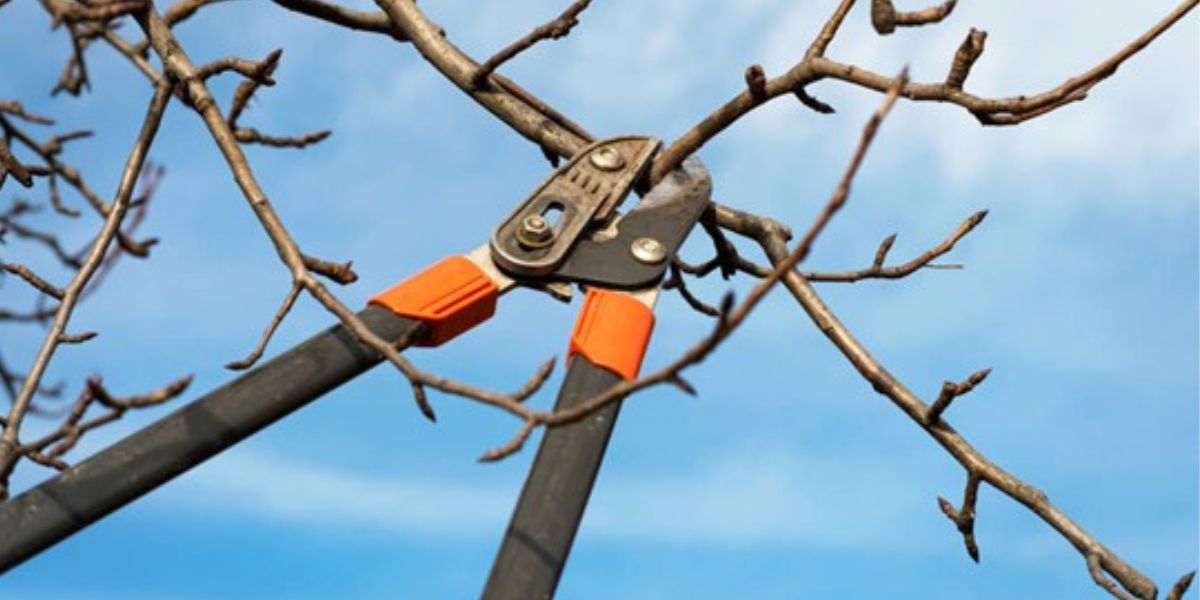
Tree pruning is the practice of selectively removing specific branches to influence long-term health, shape, and overall growth. Trained professionals always review a tree’s structure, species-specific quirks, and problem areas before making the first cut. They also account for the owner’s goals and preferences, such as reducing potential safety hazards or improving visual appeal.
Since pruning consists of a high-intensity process, experts recommend never removing more than 25% of the canopy in one session. It’s also generally done during the tree’s dormant season when it has more energy reserves for recovery.
Different Methods of Tree Pruning Explained
Every yard and its trees have their own unique challenges. Here’s how each type of specialized pruning can help.
1. Crown Reduction
Is your tree’s general size starting to pose challenges? If it grows too close to power lines, dominates your yard, or casts excessive shade, it might benefit from a crown reduction. Carefully cutting the lateral branches reduces the overall height and spread of the specimen while maintaining its natural structure.
2. Crown Thinning
This method carefully removes select branches to allow more light and air to pass through the tree’s canopy. Experts often target smaller, weaker limbs across various sections to maintain structural balance. Its worthwhile benefits include:
- Healthier growth for both the tree and any surrounding flora
- Boosted storm resilience thanks to reduced wind resistance
- Limiting fungal and bacterial growth
- A more open and attractive canopy
Do you have flowering or fruiting specimens? A trained specialist can also time crown thinning sessions to maximize their yields.
3. Crown Raising
Pesky lower branches might make it difficult for pedestrians or vehicles to pass smoothly. As the name suggests, crown raising helps by completely elevating the tree’s canopy. We generally recommend it in high-traffic areas for convenience and safety.
4. Formative Pruning
Geared mainly toward young trees, formative pruning paves the way for a balanced branch framework with minimal weak points. Arborists carefully remove the following before they mature:
- Co-dominant or competing branches
- Narrow V-shaped branch unions
- Crossing or rubbing limbs
- Excessive growth in undesirable directions
5. Deadwooding
Dead, dying, or decayed branches are unproductive and may serve as vectors for pests or pathogens. By tackling these areas, you help redirect a specimen’s energy towards healthier parts of the canopy.
Structurally compromised branches are also a ticking time bomb. It’s better to address them sooner rather than later to prevent nasty accidents.
Reap the Benefits of Professional Tree Pruning Techniques in Newnan
Now that you know how tree pruning improves tree health and safety, which types of tree pruning suit your yard best? Our professionals at Boss Tree Service can assess your specimens and make tailored recommendations.
Contact us today or read more of our blog to learn the difference between tree trimming and pruning.